
Your check engine light (CEL) means your vehicle's onboard computer has found a problem in the engine, transmission, or emissions system. Common causes range from a loose gas cap to a faulty oxygen sensor or catalytic converter. A professional diagnostic scan is how you pin down the specific error code.
That little amber glow on your dashboard is enough to make any driver in Waynesboro feel a bit of dread. It tends to show up at the worst times, on the way to work, during a road trip, or right before an inspection. At True Tech Automotive, we know "Why is my check engine light on?" is one of the more stressful parts of car ownership. It is a vague warning that could mean something as small as a three-dollar seal or something as big as a multi-thousand-dollar engine repair. The good news is the light is not there to ruin your day. It is there to help you save your car from further damage. Modern vehicles use computers called Engine Control Units (ECU) that constantly monitor sensors throughout the car. When something falls outside the normal range, the light comes on to tell you it is time for a check-up.
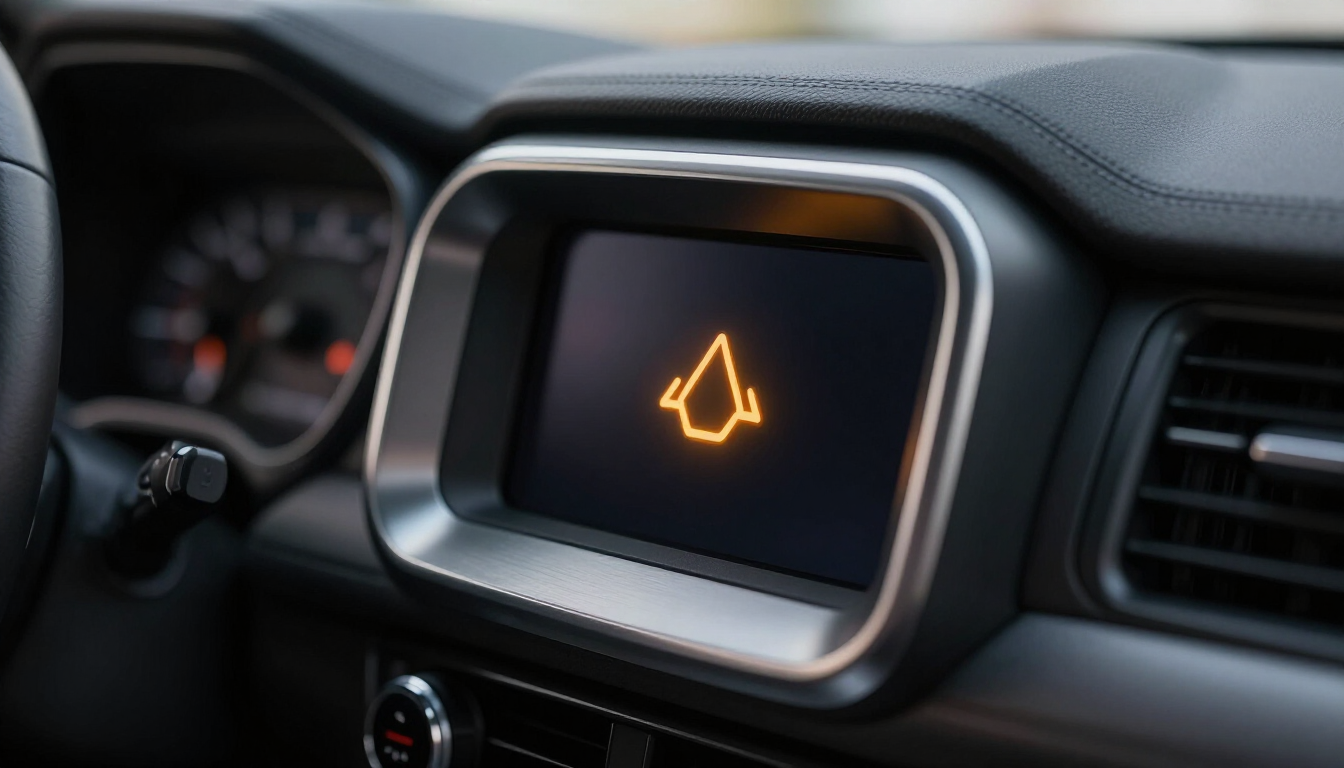
Can I Drive With My Check Engine Light On?
The short answer is that it depends, but do not ignore it for long. If the light is steady (not flashing) and the car runs normally, you can usually drive it to a local shop like True Tech Automotive for a diagnosis. Even if the car feels fine, the ECU has detected a problem that is likely hurting your fuel economy or raising your emissions. Ignoring a steady light for weeks or months often leads to more expensive repairs later. For example, a small vacuum leak can eventually cause carbon buildup that damages your valves.
In some cases the vehicle enters limp mode. This is a safety feature where the computer limits engine power and RPMs to protect the transmission and engine from major failure. If you feel a sudden loss of power or the car will not shift into higher gears while the light is on, you are in limp mode and should head straight to a diagnostics specialist to avoid getting stranded.
What Does a Flashing Check Engine Light Mean?
A flashing check engine light is a real emergency. A steady light means get this checked soon. A blinking light means stop driving now. When the light flashes, it usually points to a severe engine misfire. Unburned fuel is being dumped into the exhaust, where it can quickly get hot enough to melt the internal parts of your catalytic converter.
A catalytic converter is one of the most expensive parts of your exhaust system, and driving even a few miles with a flashing light can destroy it. Beyond the cost, a major misfire can make the engine shake hard, stall in traffic, or damage pistons and cylinders. If you see that light blinking, pull over safely and have the vehicle towed to a professional shop. We see drivers in Waynesboro who could have saved thousands if they had pulled over when the light started flashing instead of trying to limp it home.
5 Common Reasons for a Check Engine Light
There are hundreds of possible codes, but in our experience a few usual suspects show up more than others. Knowing them takes some of the mystery out of the process and prepares you for what the technician might find during a scan. Here are the five most frequent culprits:
- A loose or damaged gas cap: The most famous cause and the easiest to fix. Your fuel system is sealed to keep gasoline vapors in. If the cap is loose, cracked, or not clicking into place, the pressure sensor triggers the CEL.
- Faulty oxygen (O2) sensor: These sensors track unburned oxygen in the exhaust to help the computer set the air-fuel mix. A bad sensor hurts gas mileage and can eventually ruin your catalytic converter if left alone.
- Mass airflow (MAF) sensor failure: The MAF measures air entering the engine to set fueling. A bad MAF causes stalling, hesitation on acceleration, and a big drop in fuel economy.
- Worn spark plugs or ignition coils: Spark plugs create the spark that ignites the fuel. Over time they wear out or foul. Weak spark causes misfires that trigger the light. This is a common item covered in our maintenance plans.
- Failing catalytic converter: Often a victim of other ignored problems. If it fails, you may notice a rotten-egg smell from the exhaust or a real drop in performance.
Why Is My Check Engine Light On During Cold Weather?
In Waynesboro and across Augusta County, big temperature swings can affect your sensors. Cold weather makes air denser, which can push a borderline sensor past the edge of its calibrated range. Rubber seals and vacuum hoses also contract or turn brittle in winter, creating small leaks the computer reads as an emissions problem. We often see a spike in check engine light concerns in the first few weeks of freezing temperatures.
Another common winter culprit is your battery. If it struggles to hold steady voltage during a cold start, the computer can glitch and set a low-voltage code or trigger sensor errors. The light might go off once the engine warms up, but the underlying issue, like a failing battery or a tiny vacuum leak, is still there and should be addressed before it leaves you stuck in the snow.
How Do Mechanics Diagnose Engine Light Codes?
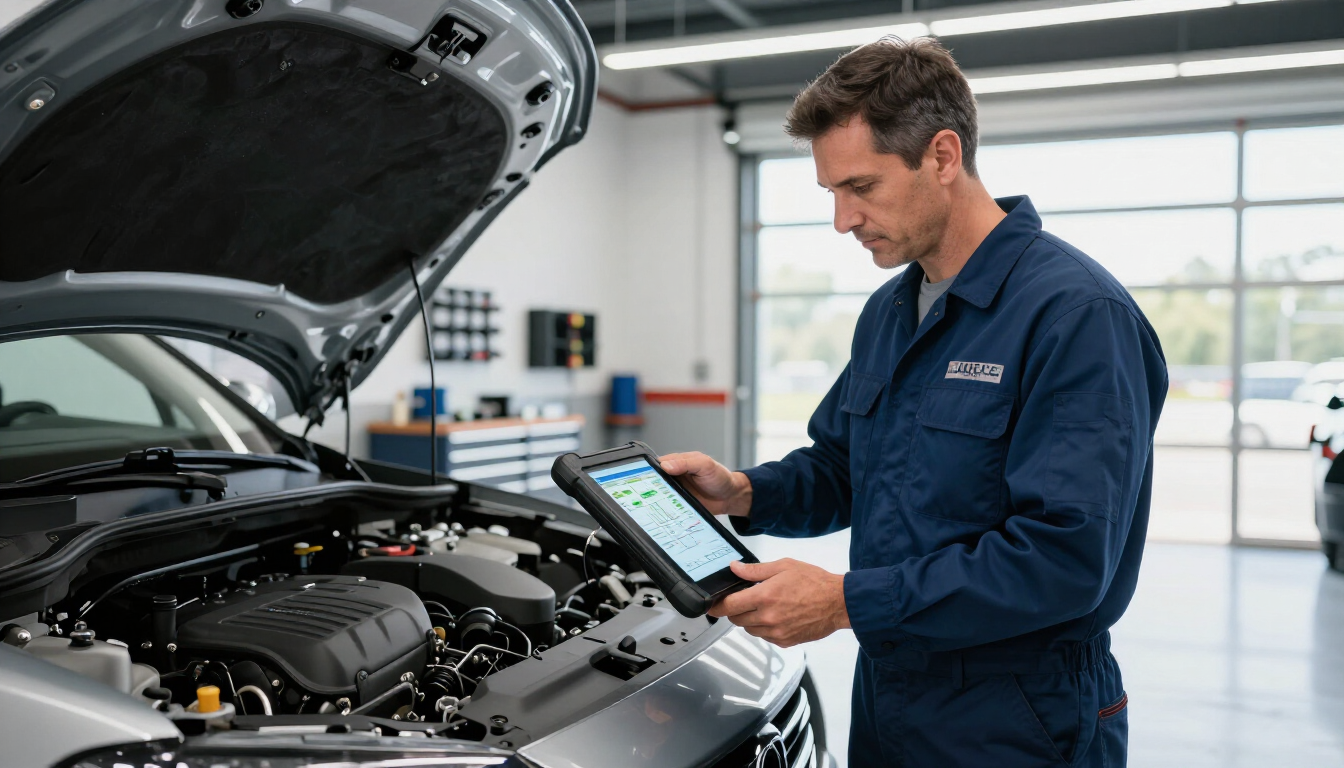
Many people think a mechanic just plugs in a tool and it says exactly what part to replace. That is a common misconception. The tool gives a code, such as P0300, which points to a system or a symptom, in this case a random cylinder misfire. The real work starts after the code is pulled. Our diagnostic process includes a deep dive into the freeze-frame data, which shows exactly what the car was doing (speed, temperature, load) the moment the light came on.
From there we run physical inspections and functional tests to confirm the failure. If the code says an O2 sensor is reading lean, we do not just swap the sensor. We check for vacuum leaks, inspect the wiring harness, and test fuel pressure. That way we fix the root cause instead of treating the symptom. We even provide photos and video of what we find so you can see exactly what is going on under your hood.
The Role of Preventative Maintenance in Engine Health
The best way to answer "Why is my check engine light on?" is to keep it from coming on at all. Most of the sensors and parts that trigger the CEL have a predictable lifespan. Spark plugs, for example, are usually rated for 60,000 to 100,000 miles. Replace them on schedule and you avoid the misfires that lead to the light and the catalytic converter damage that follows.
Keeping up with oil changes matters just as much for vehicles with variable valve timing (VVT). The VVT system relies on clean oil and precise hydraulic pressure. Dirty oil clogs the small screens in the solenoids, which triggers a check engine light and makes the engine run rough. A consistent maintenance schedule keeps the whole network of sensors and actuators within spec, which keeps that dashboard light dark and your mind at ease.
Your Next Steps
When your check engine light comes on, do not panic, but do take action. Whether it is a simple loose gas cap or a more complex sensor issue, early detection is the key to preventing expensive repairs and keeping your vehicle safe on the roads around Waynesboro. A steady light is an invitation to schedule service. A flashing light is a command to stop immediately.
Key Takeaways for Drivers
- Check your gas cap first: Make sure it is tight and the seal is not cracked.
- Identify the light type: A steady light needs a checkup. A flashing light needs a tow.
- Do not ignore performance: If the car is bucking, stalling, or in limp mode, get help right away.
- Trust professional diagnostics: A code reader only tells part of the story. A technician finds the cause.
- Stay proactive: Regular maintenance is the most effective way to prevent sensor failures.
If you are staring at an amber light on your dash, do not wait for the problem to grow. Kyle and the team at True Tech Automotive give you honest communication and the digital evidence you need to make the best decision for your vehicle. We serve drivers across Waynesboro, Fishersville, Crimora, and Lyndhurst, backed by our 12-month / 12,000-mile warranty.
Prefer to call? Reach us at (540) 212-9807.